On this page
- How close can you get to Komodo dragons under the official text?
- What distances do others quote?
- Why does the ranger's word decide?
- Can you touch a Komodo dragon?
- Why might a dragon look tame?
- What happened when a visitor got too close?
- How do you get the photo without closing the gap?
- What should you settle before the walk starts?
- What do visitors ask about distance?
- Which sources support this page?
- How do I reach the desk?
By See Komodo Dragons Editorial Desk
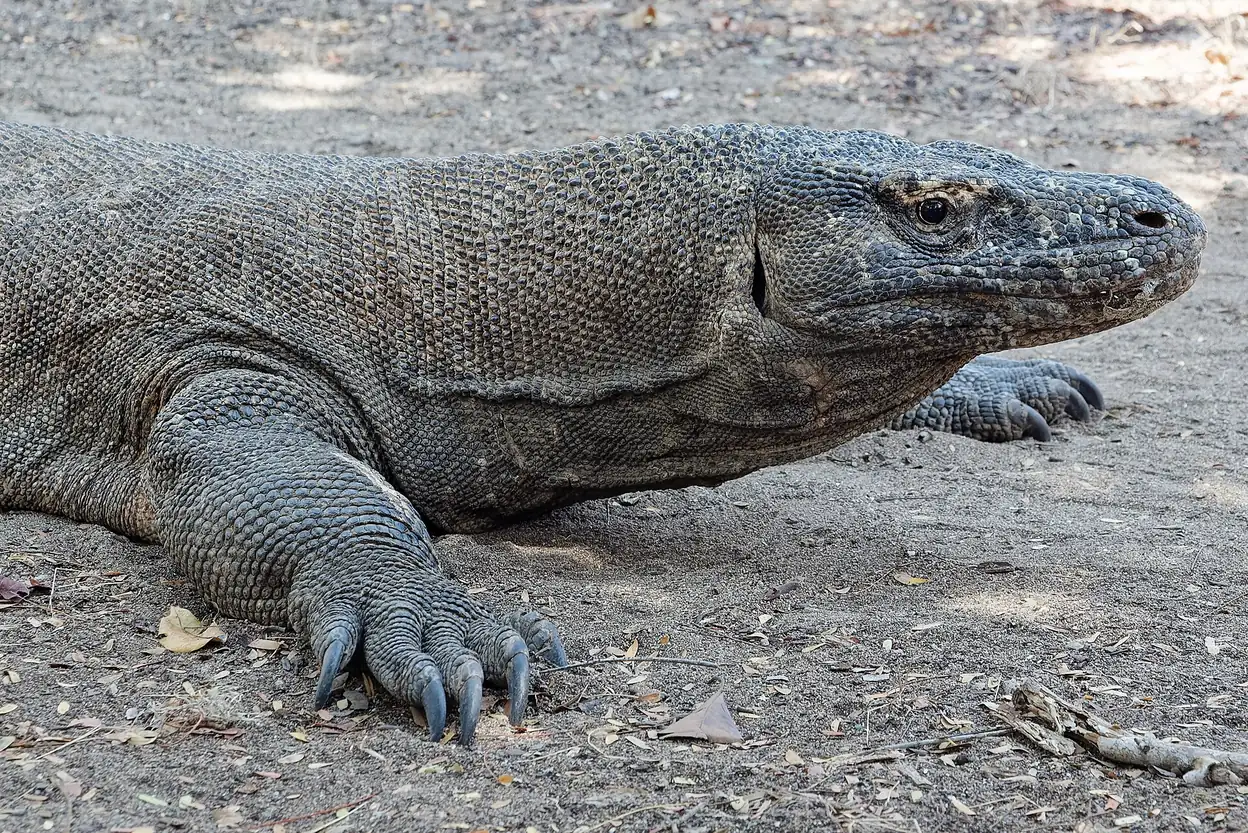
How close can you get to Komodo dragons? No official figure exists. The park's visitor protocol bans touching animals or being too close, operators quote different numbers, with Komodo Resort at two metres and Green Rinjani at around three to five, and the ranger's instruction decides.
How close can you get to Komodo dragons under the official text?
The official text gives a rule without a number. The visitor protocol prohibits touching animals or being too close to them, on land or in the water. It does not say what too close means in metres.
That silence is why you will find confident numbers elsewhere that do not agree with each other. An unqualified statement that "the park requires X metres" should prompt the question of where the park says so, because the protocol itself does not.
What distances do others quote?
Ask how far you should stay from a Komodo dragon and three sources offer a distance, each in different words. Comparing the wording tells you as much as comparing the numbers.
| Source | Type | Distance quoted | How it is framed |
|---|---|---|---|
| Park visitor protocol | Park authority | None | Bans being too close; gives no figure |
| Komodo Resort | Dive operator | Two metres | Presented as a minimum the park requires |
| Green Rinjani | Trekking operator | Around 3 to 5 metres | Commonly recommended, subject to the ranger |
| Komodo Guide site | Community guide | Several metres | Visitors must stay back; rangers manage distance |
| Miss Filatelista | Travel blog | None | Rangers stay with guests and do not let them get close |
Komodo Resort and Green Rinjani conflict: one says two metres is a park requirement, and the other says around three to five metres is a common recommendation. Neither figure appears on the park's own page, so neither is an official measurement. The ranger beside you can tell you to move back at any moment, and that instruction outranks every number in this table.
They offer minimums and recommendations. A dragon can change direction, and a gap that seemed generous a moment ago may stop being generous. That is one reason a fixed figure would mislead even if an official one existed.
Why does the ranger's word decide?
Because the number that matters is the one for this dragon, on this path, right now. Green Rinjani's figure comes with that condition attached, and the Komodo Guide site says plainly that rangers manage distance. The ranger is watching the animal in front of you, and a figure from a web page cannot do that.
Green Rinjani adds several points of operator advice that go beyond any figure:
- Do not walk into bushes.
- Do not move close for photos.
- Do not stand between a dragon and its path.
- If a dragon moves toward the group, follow the ranger.
The third point deserves attention, because a visitor can break it without taking a step closer. You can be well outside two metres and still be the thing in a dragon's way. This is one operator's advice, since the park's protocol does not go into such detail. Our page on Komodo National Park rangers explains the standing of a guide's instructions, and the wider picture is in our Komodo dragon safety guide.
Can you touch a Komodo dragon?
No, and you cannot pet one either. This is the one part of the question with a clear official answer, since the protocol bans touching animals outright. That covers a pat on the tail for a photo, and it applies however still or sleepy the animal looks. We have not listed the penalties here; they are on our page about Komodo National Park rules.
Why might a dragon look tame?
A relaxed-looking dragon near a station may simply be used to people, and that does not make it harmless. A 2018 study found dragons exposed to ecotourism less wary, and our page asking does tourism harm Komodo dragons covers the rest of it.
The study found dragons exposed to ecotourism less wary, so stillness tells you little. An animal that does not move away when you approach has not given you permission to get closer. The same study raises questions about how visitors affect these animals, which we take up in does tourism harm Komodo dragons.
What happened when a visitor got too close?
One documented case dates to May 2017. CBS News, quoting the park's head, reported that a visitor from Singapore was bitten on the leg while photographing feeding dragons, having ignored warnings. Smithsonian magazine gives a further detail from the same official: the visitor had no official guide and had left the sanctioned area.
Those details overlap with almost every point on this page: a camera, feeding animals, warnings that went unheeded, and no official guide. It is one case, and it does not tell you how often such things happen. It does show the sequence that the rules are meant to interrupt.
How do you get the photo without closing the gap?
Green Rinjani suggests using zoom instead of approaching, and that answer holds for any camera. A phone can be cropped afterwards. A camera with a longer lens can fill the frame from where you already stand. Crouching or stepping off the line for a better angle counts as moving too, so ask the ranger before you change position. We cover framing and kit in the guide to photographing Komodo dragons.
What should you settle before the walk starts?
Distance is easier to agree before a dragon appears. Three questions are worth putting to the ranger at the start:
- How far back do you want this group to stand today, and does that change if a dragon is moving or eating?
- If one walks toward us, which way do we go, so that nobody ends up on its path?
- May we step forward or crouch for a picture, or should we ask each time?
If someone in your party tends to drift forward with a camera, agree beforehand who will keep an eye on them. The answers will vary with the ranger and the day, and that variation is the reason this page offers no single figure.
What do visitors ask about distance?
How close can I get to a wild Komodo dragon?
The park gives no number. Its protocol bans being too close, operators quote different numbers, and the ranger's instruction on the day decides.
What is a safe distance from a Komodo dragon?
The protocol does not define one. Komodo Resort says two metres and Green Rinjani says around three to five metres, and both are operator statements. The ranger's instruction decides.
Are tourists allowed to touch Komodo dragons?
No. The park's visitor protocol prohibits touching animals, on land or in the water, however calm a dragon appears.
How far should I stay from a feeding dragon?
Ask the ranger. The 2017 bite reported by CBS News happened while a tourist was photographing feeding dragons.
Which sources support this page?
- Komodo National Park: visitor protocol
- Komodo Resort: park entrance fees
- Green Rinjani (trekking operator): safety information
- Komodo Guide: Loh Buaya ranger station
- Miss Filatelista (travel blog): Komodo Island
- Biodiversity and Conservation: 2018 study (PDF copy)
- CBS News: tourist bitten, 2017
- Smithsonian magazine: Komodo dragon encounters
How do I reach the desk?
The desk can pass on what the sources say about distance and take a request for a guided visit, but it cannot answer for the ranger on your walk. Some requests end in a paid booking, which gives us a commercial interest. Only a written offer, with its price and contracting company, commits anyone to anything.
- WhatsApp: +62 811-3823-875
- Email: write to the See Komodo Dragons request desk
Send the desk your dates and where you are coming from. The desk replies in writing.
Ask the desk on WhatsApp sales@komodoluxury.com