On this page
- Is the best time to see Komodo dragons a particular month?
- What does the weather do across the year?
- How does the breeding calendar change what you see?
- What does a dragon's day look like?
- When is rough sea the bigger risk?
- What else do people ask about timing?
- Which sources support this page?
- How do I reach the desk?
By See Komodo Dragons Editorial Desk
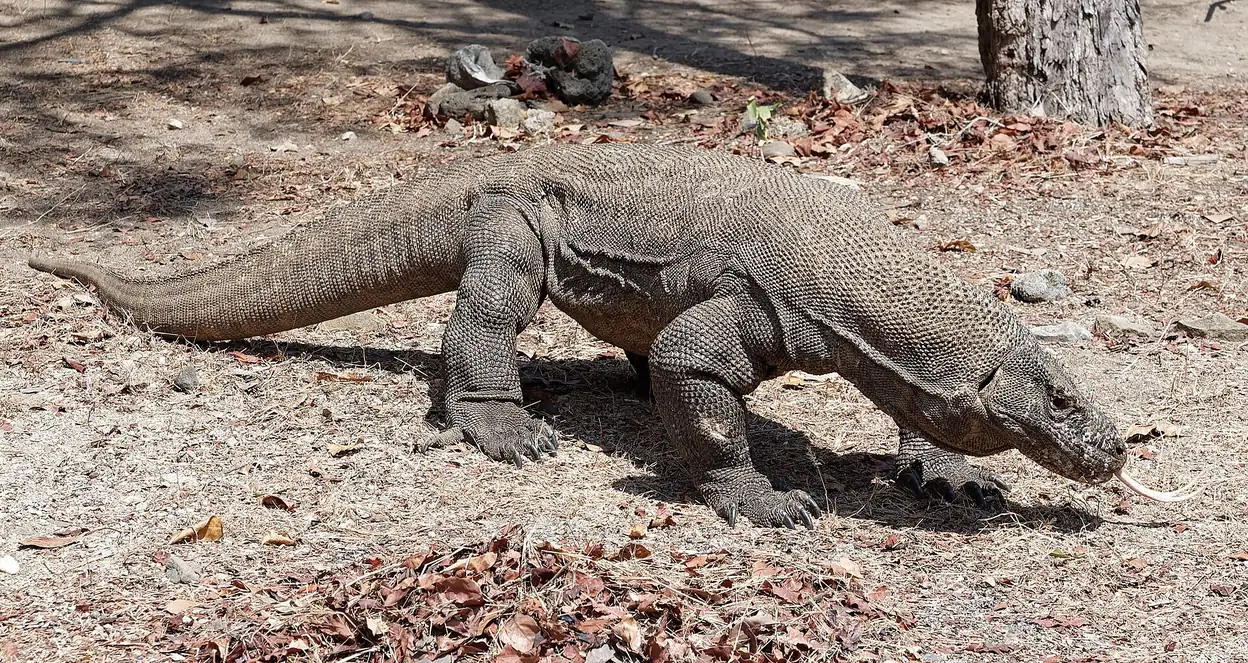
No single best time to see Komodo dragons can be proven, since we know of no park or academic dataset of monthly sightings. Komodo Resort, a dive operator, reports settled seas from April to October, and says the quota is most likely to matter then. Wikivoyage calls August and September extremely hot. What shifts through the year is weather, the breeding cycle and boat risk.
Is the best time to see Komodo dragons a particular month?
No. The park authority and academic sources cited here give no monthly sighting record, so a claim such as "July is best for dragons" is an opinion. Ask anyone quoting a monthly percentage where the figure comes from.
A better way to decide when to see Komodo dragons is to pick your dates with three separate calendars in view: rain and heat, the dragon's breeding year, and the chance that boats stop sailing. Those three rarely point the same way. September is close to dry and falls in nesting time, for example, and Wikivoyage describes it as extremely hot. January is about 291 mm in the town's figures and sits in the period one operator rates highest for sailing suspensions. The table below puts them on one page.
What does the weather do across the year?
Rain figures below come from Climate-Data.org modelling for the town of Labuan Bajo, as shown on Wikipedia, so they describe the mainland gateway and not the islands. Wikipedia's park entry gives annual rainfall of 800 to 1,000 mm inside the park. The dragon calendar column is a composite of Smithsonian's National Zoo, San Diego Zoo Wildlife Alliance and Wikipedia, and incubation figures differ. The boat column is the view of Komodo Resort, a dive operator, published in September 2026.
| Month | Rain at Labuan Bajo | Dragon calendar | Boats, per Komodo Resort |
|---|---|---|---|
| January | Heavy, about 291 mm | Eggs incubating | Highest suspension risk |
| February | Heavy | Eggs incubating | Highest suspension risk |
| March | Heavy | Eggs incubating | Not singled out |
| April | Moderate to little | Hatching | Dry season, settled seas |
| May | Moderate to little | Mating begins | Dry season, settled seas |
| June | Moderate to little | Mating | Dry season, settled seas |
| July | Moderate to little | Mating | Dry season, settled seas |
| August | Moderate to little | Mating ends, nest digging starts | Dry season, settled seas |
| September | Little, about 21 mm | Nest digging, eggs laid | Dry season, settled seas |
| October | Moderate to little | Eggs incubating | Dry season, settled seas |
| November | Moderate to little | Eggs incubating | Not singled out |
| December | Heavy | Eggs incubating | Highest suspension risk from late in the month |
Temperature is where the sources part ways most sharply, so we show each one on its own line and do not blend them. The gap is large enough to affect how you plan a walk.
| Source | Place and period | Figure |
|---|---|---|
| Climate-Data.org, via Wikipedia | Labuan Bajo, mean daily high across the year | About 30 to 32 C |
| San Diego Zoo Wildlife Alliance | Dry-season days, in dragon range | Often 35 C with 70% humidity |
| Wikipedia, park entry | Park, May to October | Around 40 C |
| Wikivoyage | Park, August and September | Over 40 C, extremely hot and dry |
The sources do not explain the gap, so plan for the higher figures on exposed ground. Our guide to how hard the dragon walk is covers what that means on foot.
One small point on dates: Wikipedia's rain band runs to November and Komodo Resort's dry season stops in October. The two definitions differ, and both come from outside the park office.
How does the breeding calendar change what you see?
It changes what the animals are doing, and the sources do not measure whether it changes the odds of an encounter. Mating runs between May and August on the accounts of Smithsonian's National Zoo and Wikipedia. Females then dig nests in August and September, according to San Diego Zoo Wildlife Alliance. Wikipedia says eggs are laid in September and hatch in April after seven to eight months.
Incubation figures vary by source. Wikipedia's seven to eight months sits beside 221 days from the park authority and about nine months from Smithsonian's National Zoo. Treat April as an approximate hatching time and not a date. Our page on the Komodo dragon mating season goes further into this cycle.
If you are hoping to watch courtship or a nest, understand that neither can be arranged and rangers decide where groups walk. Choosing dates between May and September puts you inside the breeding year. It does not put a particular behaviour in front of you.
The rainy months have a small reward of their own: the park authority says tree snails appear at Loh Liang and Loh Sebita from December to February and are hard to find once the dry season arrives.
What does a dragon's day look like?
The park authority describes the species as active by day. San Diego Zoo Wildlife Alliance describes a rhythm: the animal warms up in the sun, looks for food, shelters in shade at the hottest time, then takes a late-afternoon meal before returning to a burrow. Smithsonian's National Zoo says dragons use burrows to escape the heat of the day and at night.
National Geographic adds in a 2020 article that dragons are ectotherms, so their energy shifts with the heat of the day, and that they are prone to lounging. These accounts describe the species in general and were not measured at visitor sites, so they give no visiting hour. The time you land depends on your boat, the crossing and the timed entry in force, which the park's visitor protocol says trekkers must keep to, so ask about the arrival hour before you commit to a trip.
When is rough sea the bigger risk?
Late December to February, according to Komodo Resort, which says the park has no published closed season but that this stretch carries the highest risk of sailing suspensions. The same operator says port authorities suspended tourist sailing approvals for about a month from late December 2025, after a fatal boat accident near Padar and poor forecasts. Our page asking is Komodo Island closed keeps a dated record of such stoppages.
Komodo Resort also describes April to October as the dry season with settled seas and the period when the daily quota is most likely to matter, so the good months carry their own constraint. Aqua Expeditions, a cruise operator, runs its Komodo itinerary including Rinca from April to September. That is one company's schedule and should not be read as a park season.
A further caution for anyone planning far ahead: the IUCN World Heritage Outlook notes that Indonesia reported new visitor regulations including ticketing and seasonal closures, without giving dates. No closure calendar can be inferred from that line. Check again close to departure.
Once the month is settled, three more choices follow. Where to see Komodo dragons maps the locations, Komodo vs Rinca compares the two landing islands, and our guide on how to get to Komodo Island explains the journey. For the walks themselves, read about Komodo Island dragons and Rinca Island Komodo dragons.
What else do people ask about timing?
What is the best time of day to see Komodo dragons?
The sources give no sighting data by hour. San Diego Zoo Wildlife Alliance describes dragons warming up, feeding, then sheltering at the hottest time. That is general behaviour, so let your boat and the timed entry set the hour.
What is the best month to see Komodo dragons?
No month has evidence behind it. Komodo Resort reports a dry season with settled seas from April to October. Mating and nesting fall inside that stretch, and Wikivoyage calls August and September extremely hot.
Are Komodo dragons more active in the morning?
Zoo accounts describe a morning of warming up and looking for food, followed by shelter in the heat and a late-afternoon meal. That describes the species generally, so it gives you no visiting hour.
Are Komodo dragons active during the rainy season?
The park authority calls them active by day and does not limit that to one season. Responsible Travel, a tour seller, says that from January to March they conserve warmth in burrows and come out to look for food. The stronger rainy-season concern is whether boats sail.
Is there a Komodo dragon season?
Dragons live on the islands all year, and Barefoot Yachts Indonesia, a charter operator, says they can be seen throughout it. The term usually refers to the mating months or to the dry-season travel months. Komodo Resort said in September 2026 that the park has no published closed season.
Which sources support this page?
- Wikipedia: Labuan Bajo
- Wikipedia: Komodo National Park
- Komodo Resort: is Komodo Island closed
- San Diego Zoo Wildlife Alliance: Komodo dragon
- Wikivoyage: Komodo National Park
- Smithsonian's National Zoo: Komodo dragon
- Wikipedia: Komodo dragon
- Komodo National Park authority: fauna page
- National Geographic: where Komodo dragons really live, 2020
- Komodo National Park: visitor protocol
- Aqua Expeditions (cruise operator): Rinca Island
- IUCN World Heritage Outlook 2025
- Responsible Travel: Komodo dragon tours
- Barefoot Yachts Indonesia: where to see Komodo dragons
How do I reach the desk?
Have dates in mind and a question about them? Message +62 811-3823-875 on WhatsApp or email the desk. It cannot promise weather, sailing or a sighting, and a written offer is the only thing that binds. Since a request can turn into a paid booking, we have a commercial stake in your enquiry.
Send the desk your dates and where you are coming from. The desk replies in writing.
Ask the desk on WhatsApp sales@komodoluxury.com